← Zanzibar ← The Tanzania guide
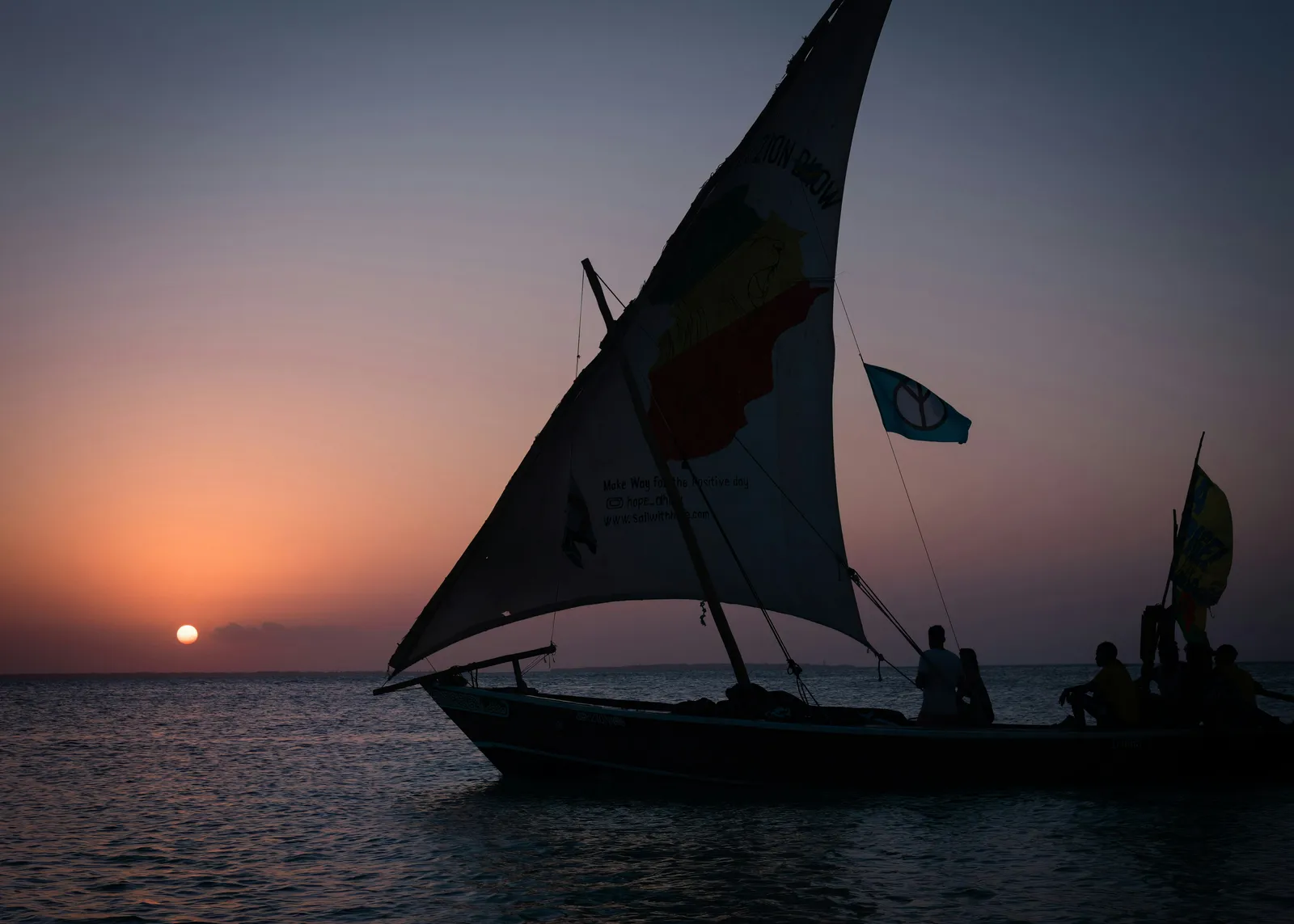
Photo: Mats Havia, via Unsplash
Tanzania · Zanzibar · Planning
Planning a Zanzibar stay
Zanzibar works best as the closing chapter of a mainland trip: three nights of stone town and sand after the camps and the crater. Here is how the seasons trade off, how the island fits a safari or a climb, and what to settle before you fly.
When to go, in words
The island's year splits into a long dry season from June to October — cool trade winds, calm seas, the busiest weeks — and a warm, mostly dry spell from December to February that suits most trips almost as well. The long rains fall roughly from mid-March to May: heavy, blustery downpours that can wash out boat days and quiet some lodges, though the island turns intensely green and rates at the better camps soften. November's short rains arrive as sharp afternoon showers between bright hours.
The honest trade-offs: June to October gives the most reliable weather and the most company; December to February gives warmth and festive energy; the green months give you the island to yourself and the odd washed-out afternoon. None of them is a mistake — they are different islands on the same sand.
Getting there and getting around
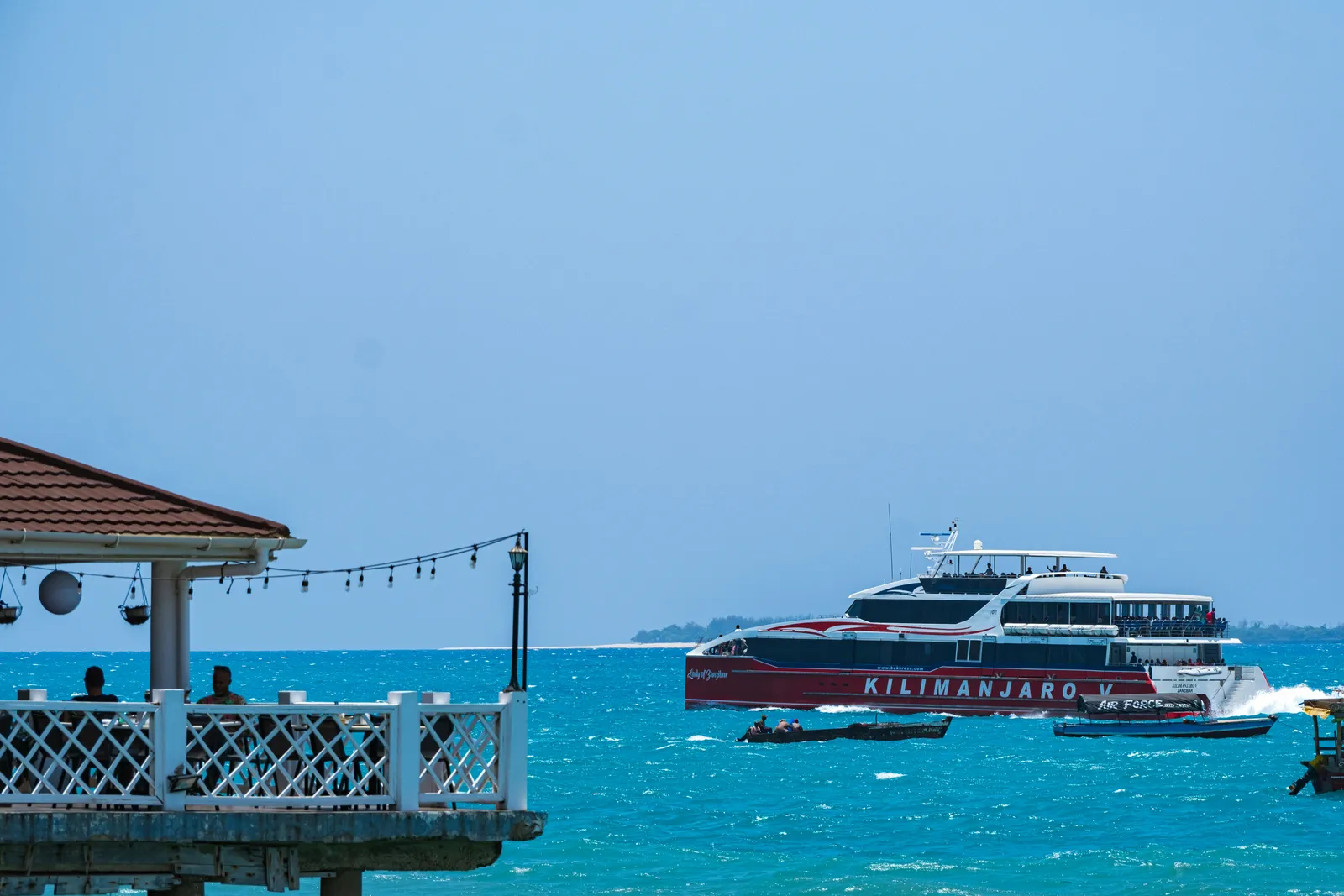
Most package travellers arrive from the mainland parks by short flight into Abeid Amani Karume International Airport, south of Stone Town; the ferry from Dar es Salaam is the scenic alternative and a fine option when your route starts in that city. Either way, the transfer from runway or harbour to your hotel is arranged by your operator — Stone Town's lanes are walkable, but everywhere else on the island needs a vehicle, and pre-booked drivers are how packages solve it.
Day trips run the same way: Jozani, the spice farms, Mnemba boats, sandbank picnics and sunset dhow cruises are all operator-arranged with pickup at your door. That is the practical difference between a package and a DIY stay on Zanzibar — the island's logistics are local and changeable, and handing them to someone who does them weekly is worth more here than on the mainland.
How it fits a safari
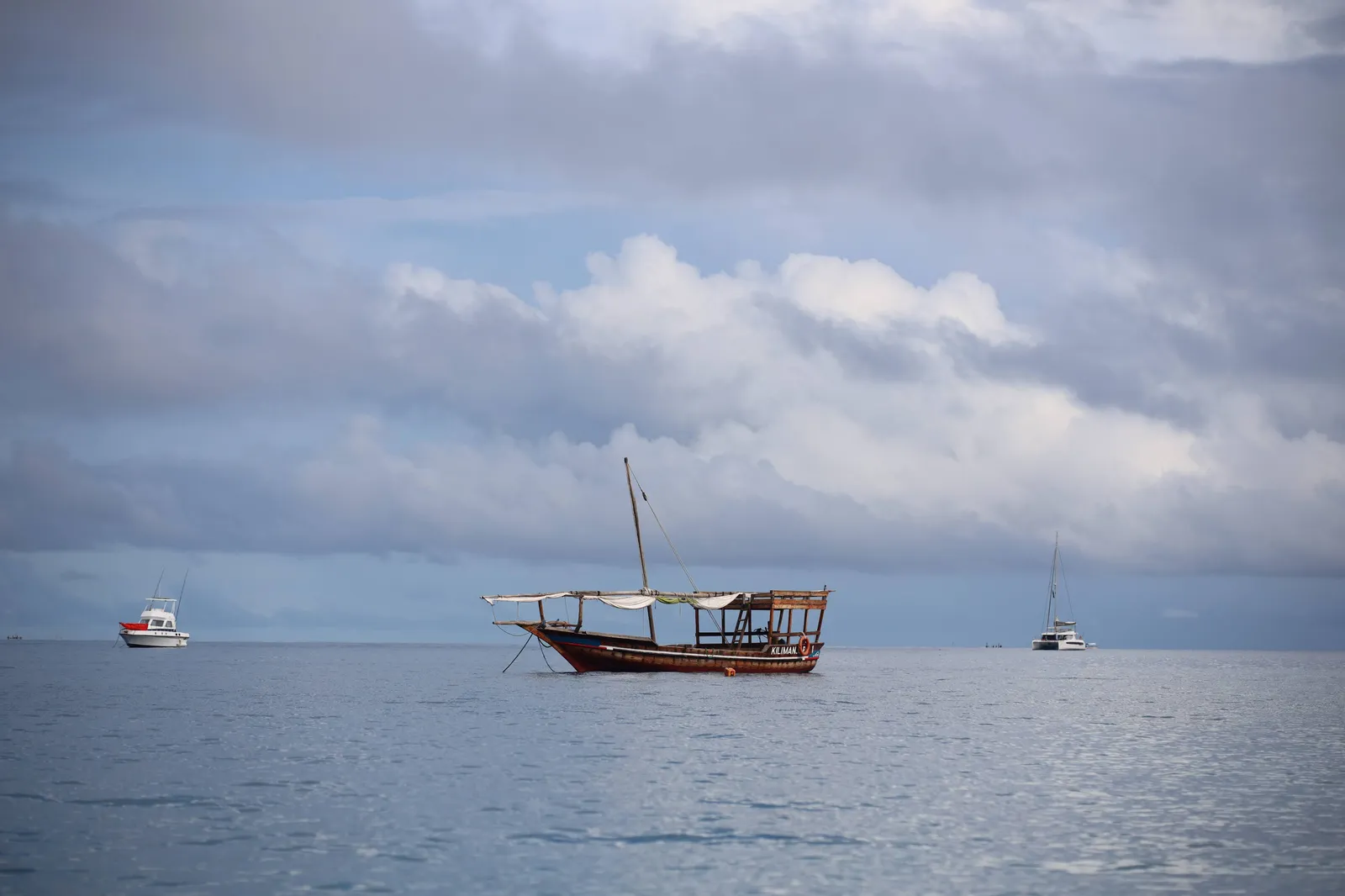
The classic shape: fly into Kilimanjaro or Dar es Salaam, run the northern circuit — Tarangire, Ngorongoro, Serengeti — then hop to Zanzibar for three or four nights of Stone Town and coast before flying home. Flights from Arusha or the Serengeti's airstrips connect through to the island daily in season, and every operator that sells the northern circuit sells this ending; it is the country's signature itinerary for good reason.
The pairing works because the two halves demand different things of you. Safari days start at dawn and run structured; Zanzibar days start when you wake and decide themselves. Travellers who try to fill island days with mainland intensity waste both. Pick the coast, pick two or three things — Stone Town, one farm or forest morning, one boat day — and let the tide set the rest.
- Three nights minimum: one for Stone Town, one for the coast, one spare.
- Bush first, beach second — end on the tide, not in the dust.
- Say your priorities early; the coast you sleep on decides your days.
After Kilimanjaro
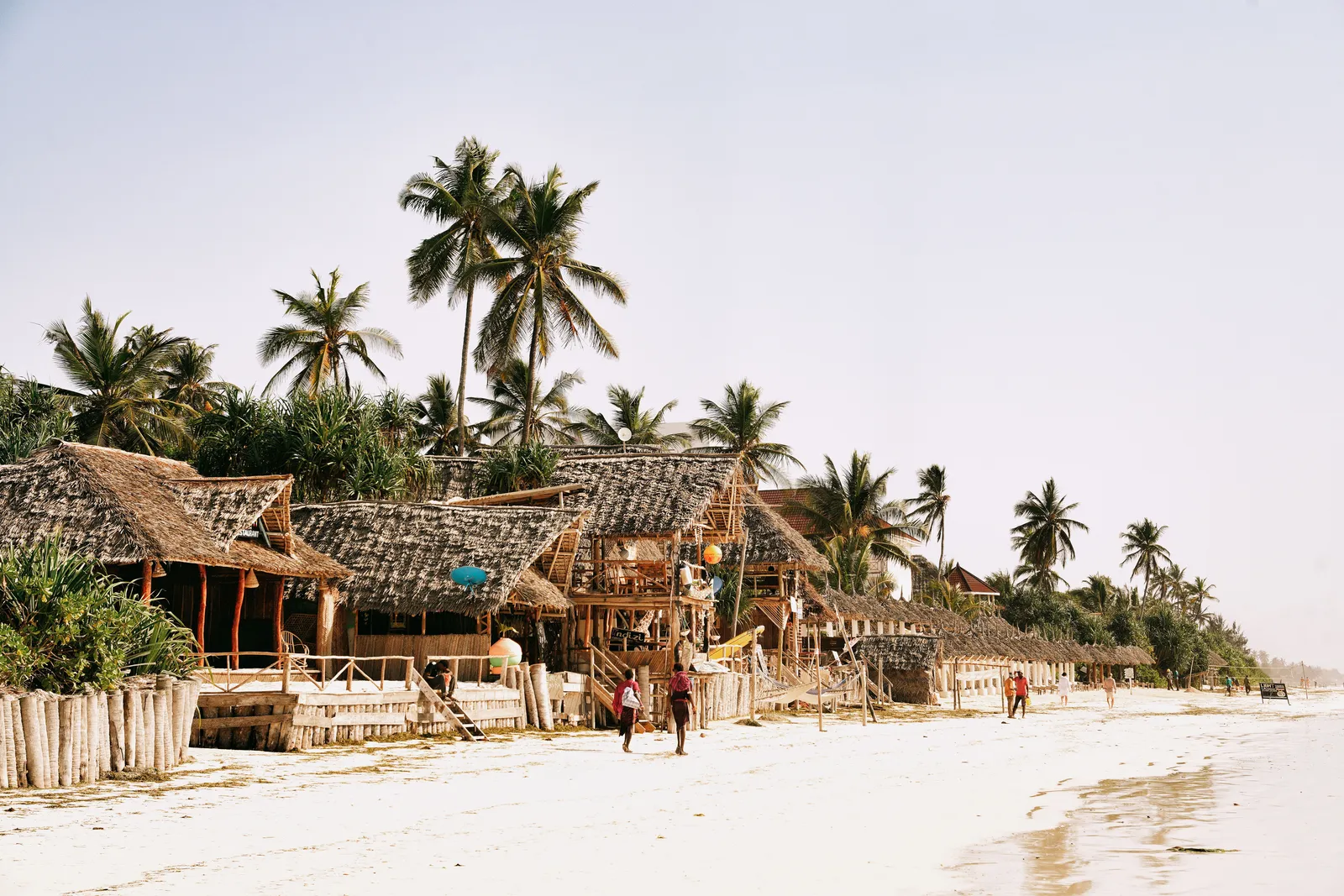
The mountain and the island are the country's two poles, and pairing them is older than the package-tour era — climbers have been descending into Zanzibar's warm water to recover since the dhow days. A summit finish leaves you tired in a very particular way: legs done, sleep wrecked by altitude shifts, appetite strange. The island's flat, warm, slow days are the exact cure, and the flight from Kilimanjaro International connects through in an afternoon.
Give the transition a real buffer. One night between the descent gate and the island — in Arusha or Moshi — beats a same-day sprint, and two or three island nights after that read as a different holiday rather than a footnote. Tell your operator the climb is the reason for the trip; the Zanzibar leg should be planned around recovery, not activity.

Practical notes, without the fine print
Entry rules, health requirements and the island's own travel-insurance requirement change often enough that this guide will not restate them: your operator confirms the current list during planning, and the official Zanzibar and Tanzanian portals publish it. What holds steady: carry your passport details through every booking, expect the island's formalities at the airport, and let the operator's local team handle anything that looks like a queue.
Money on the island runs through your package for most travellers — lodge bills and activities are pre-arranged — with cash useful for markets, crafts and the small courtesies. Tipping at lodges and for crew is customary and appreciated; your operator briefs you on current norms, and there is no need to carry more than a modest amount. Pack for a Muslim island town as much as for a beach: modest cover-ups for Stone Town, reef-safe sunscreen, and shoes that survive a wet landing.
- Visa, insurance and health rules: confirmed by your operator from official sources.
- Tipping is customary; norms come from your operator, without published figures.
- Dress for the town, not just the beach — shoulders and knees in Stone Town.
- Cash for markets and crafts; everything else sits in the package.
Keep reading