← Zanzibar ← The Tanzania guide
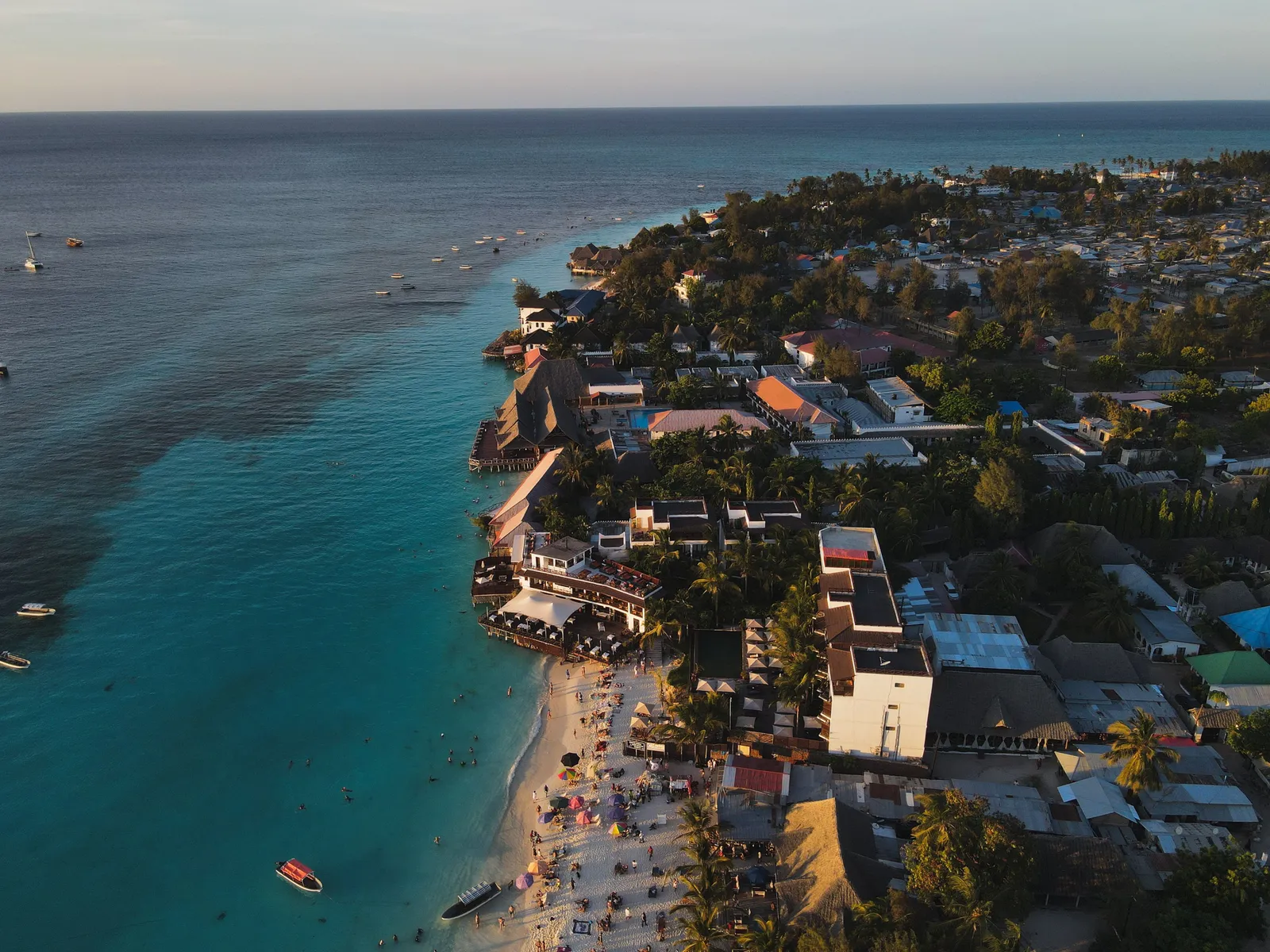
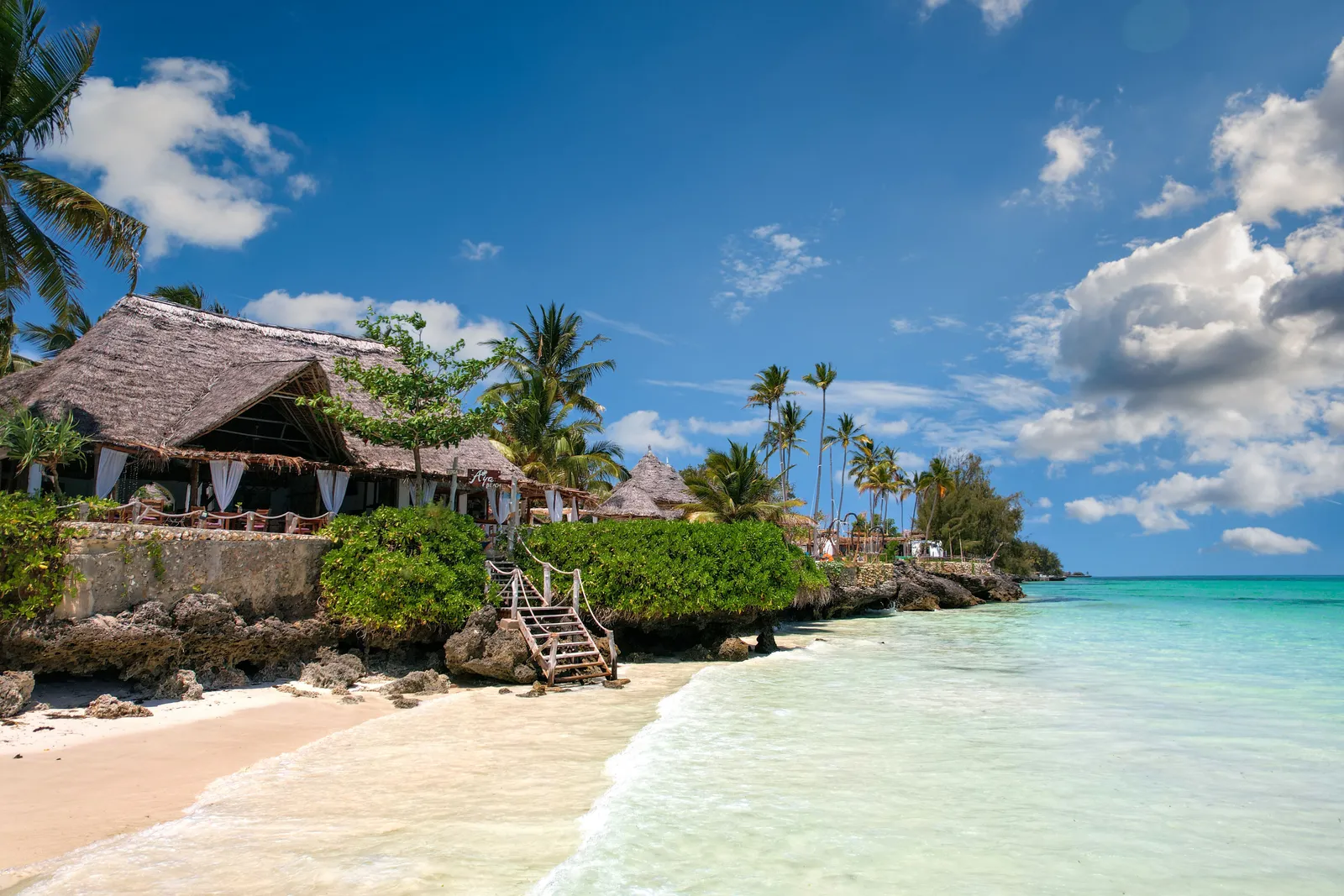
Photo: Dmitry Limonov, via Pexels
Tanzania · Zanzibar · Beaches & coasts
Beaches and coasts
Zanzibar's coasts are not interchangeable. The north swims all day; the east empties with the tide and fills again by afternoon. Picking the right stretch of sand for your trip matters more than picking a name.
How the tide runs the coast
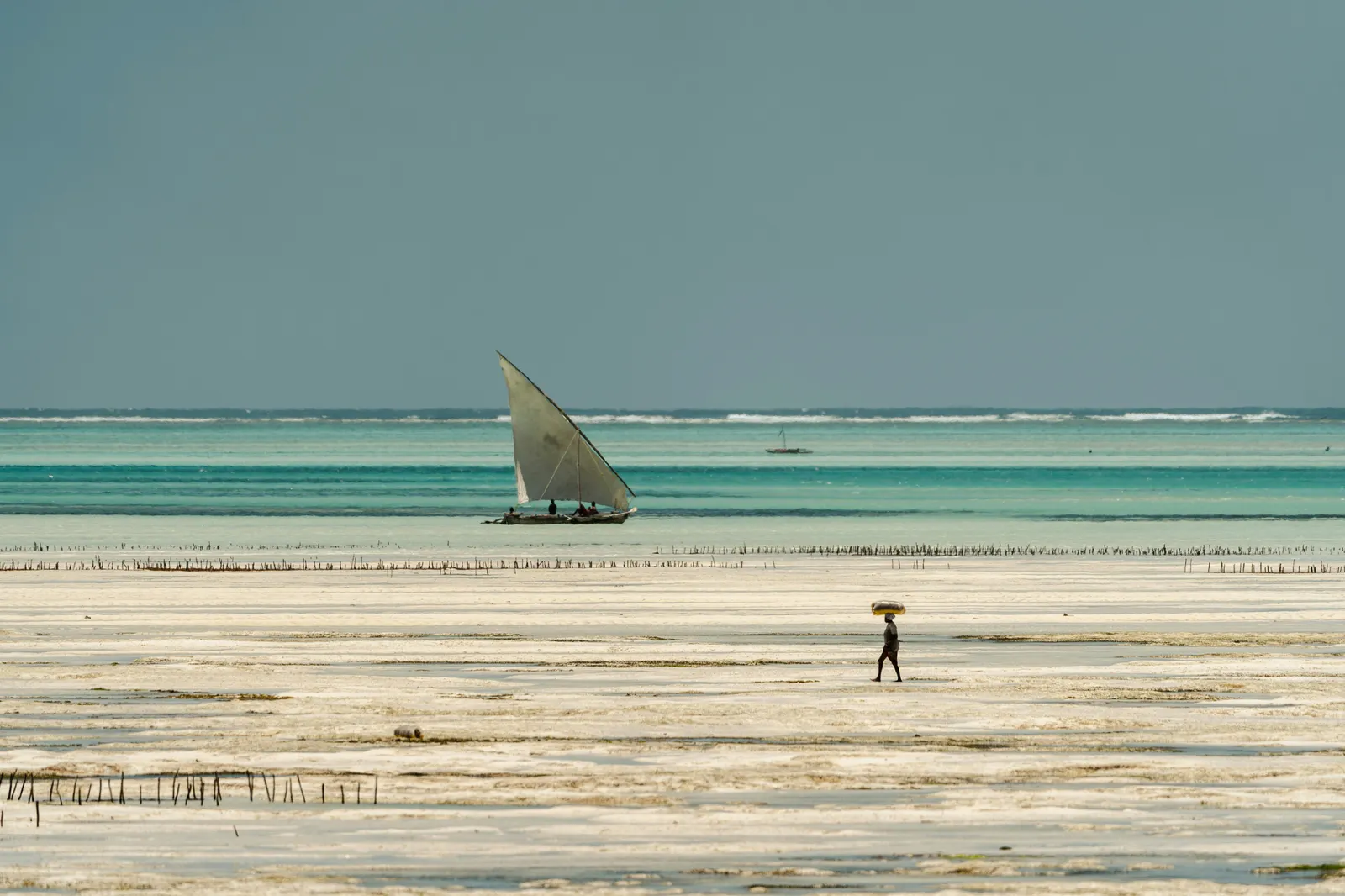
Zanzibar's beaches answer to the moon. Spring tides around the full and new moon pull the water far out and push it far in; on the east coast the difference is dramatic. At low tide the water can retreat past the reef across wide, flat sand and shallow lagoons; at high tide the same beach narrows to a strip and the swimming is deep. No timetable belongs on these pages — the tides shift by roughly three-quarters of an hour to an hour a day — so ask your lodge or guide for the week's pattern when you arrive.
The practical translation: east-coast lodges are built around the tide, with pools for the low hours and boats timed to the high. If swimming all day matters more to you than long walks on empty flats, say so when your operator plans the trip — it decides the coast, not just the hotel.
The north: Nungwi and Kendwa
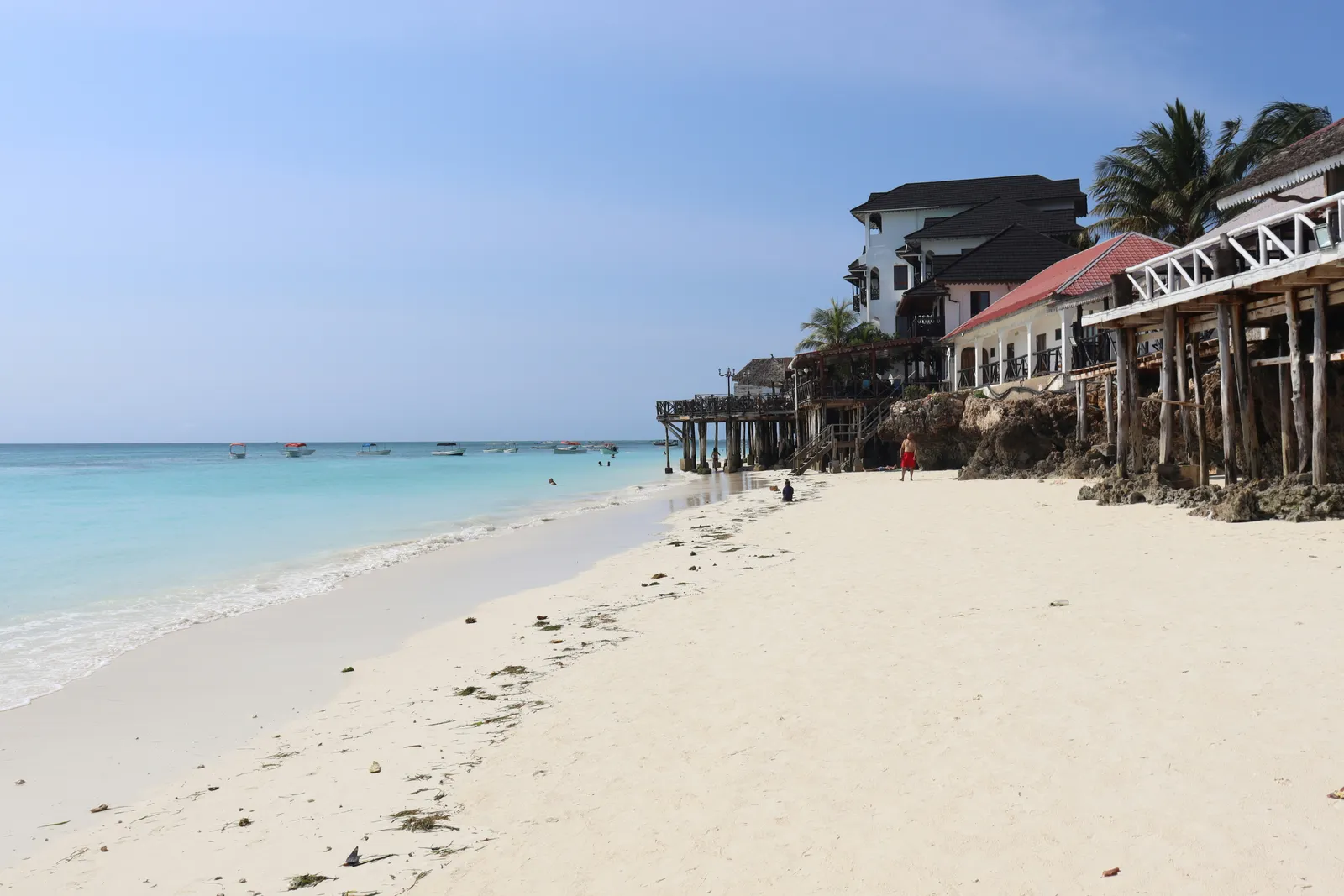
The northern tip is the sociable end of the island. Nungwi pairs a working fishing and boatbuilding beach with a strip of lodges and dive shops; the water offshore is deep enough to swim at most hours, which is why sunset dhow cruises leave from here. Kendwa, the next beach south, is wider and quieter, with a reputation for the calmest swimming on the island — commonly said, and repeated by every guide who has raced the tide on the east coast.
This is the coast for travellers who want beach life on tap: walk out of the lodge, into the water, onto a boat. It is also the busiest stretch of sand on the island — pick it for convenience and atmosphere, not solitude. Families and first-time Zanzibar visitors usually land here happily.
The east: Matemwe, Paje, Jambiani and Michamvi
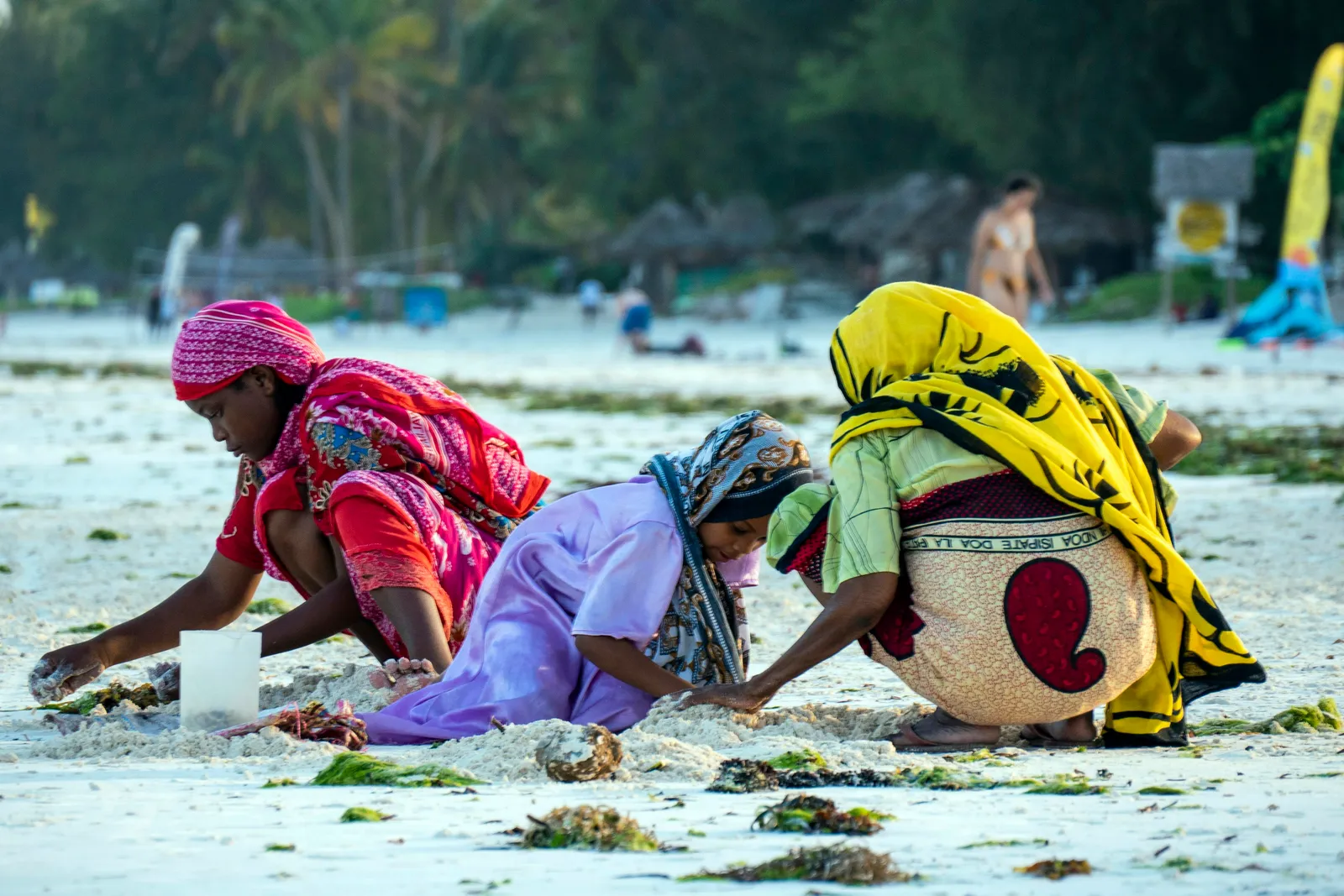
The east coast is the tide-coast, fringed by a long reef and backed by palms and fishing villages. Matemwe, in the northeast, is the quietest of the set — a fishing-village beach facing Mnemba Atoll, built around a handful of lodges and a slow rhythm of dhow landings. Paje has become the kite-surfing beach, its shallow flats and steady trade winds drawing a younger, sportier crowd; Jambiani, further south, keeps a village feel with seaweed farming still worked along the shore. Michamvi, on the peninsula, catches sunset where the rest of the east watches sunrise.
Who suits the east: travellers who want space, walks, and villages over beach bars; kitesurfers; anyone pairing the beach with diving or snorkelling trips to Mnemba. Who does not: anyone who needs deep water swimming on demand — time your day to the tide instead.
- Matemwe — quietest, closest boat run to Mnemba Atoll.
- Paje — kitesurfing and a livelier, younger scene.
- Jambiani — village pace, seaweed farms, long walks.
- Michamvi — the east-coast sunset exception.
The south and the sandbanks
The south-west around Kizimkazi is the launch point for dolphin trips and the island's quieter resort pockets; the coastline is rockier, the villages working, the pace slow. Sandbars off the southwest coast surface at low tide for picnic trips by boat — a staple of operator itineraries that turns the tide table from a constraint into an event.
However the days are arranged, the sea itself sets the rules: strong currents run outside the reefs, and the responsible lodges brief every guest on where swimming is protected and where it is not. Listen to the briefing — the Indian Ocean is not a lagoon, even when it looks like one.
Keep reading