← Zanzibar ← The Tanzania guide
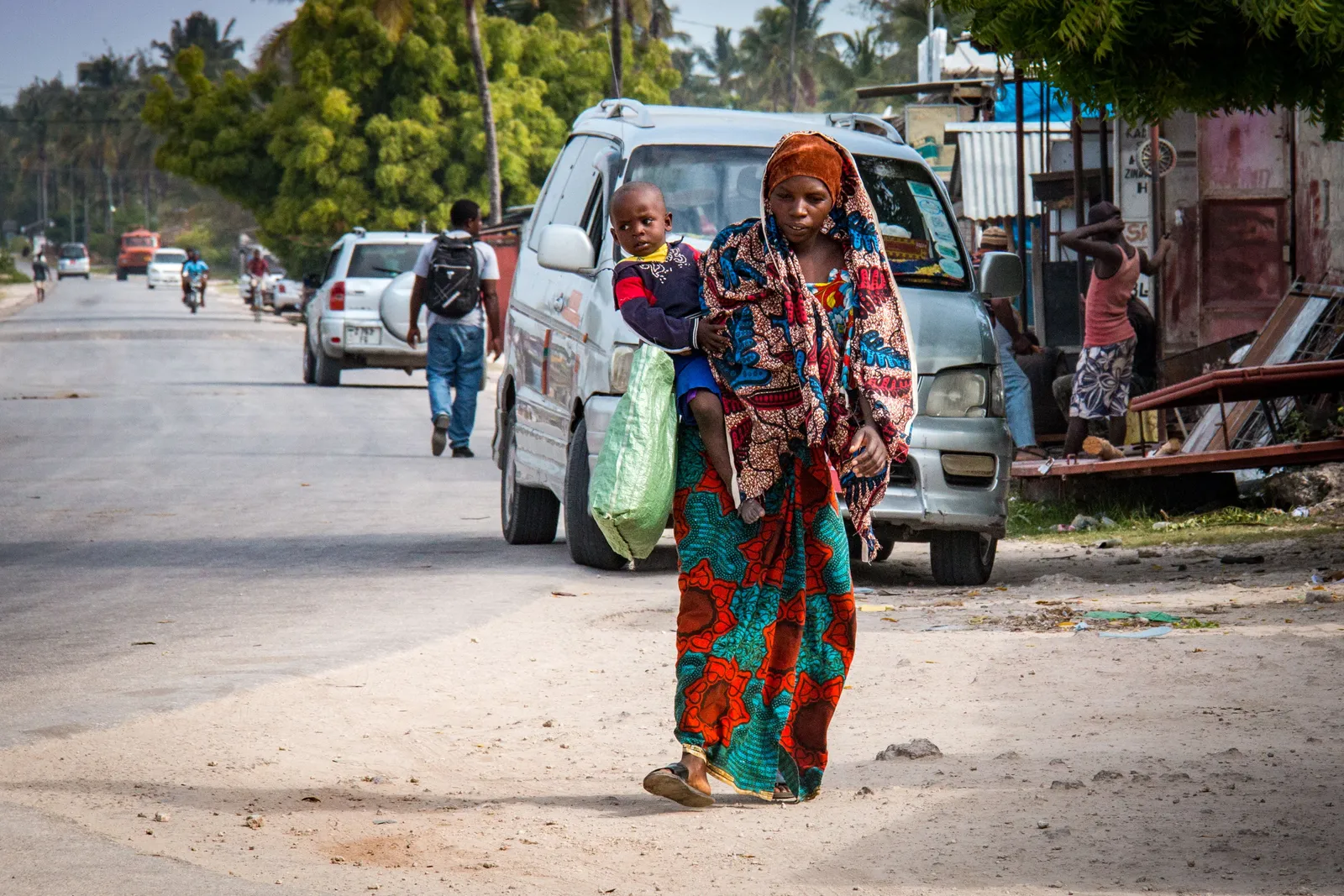
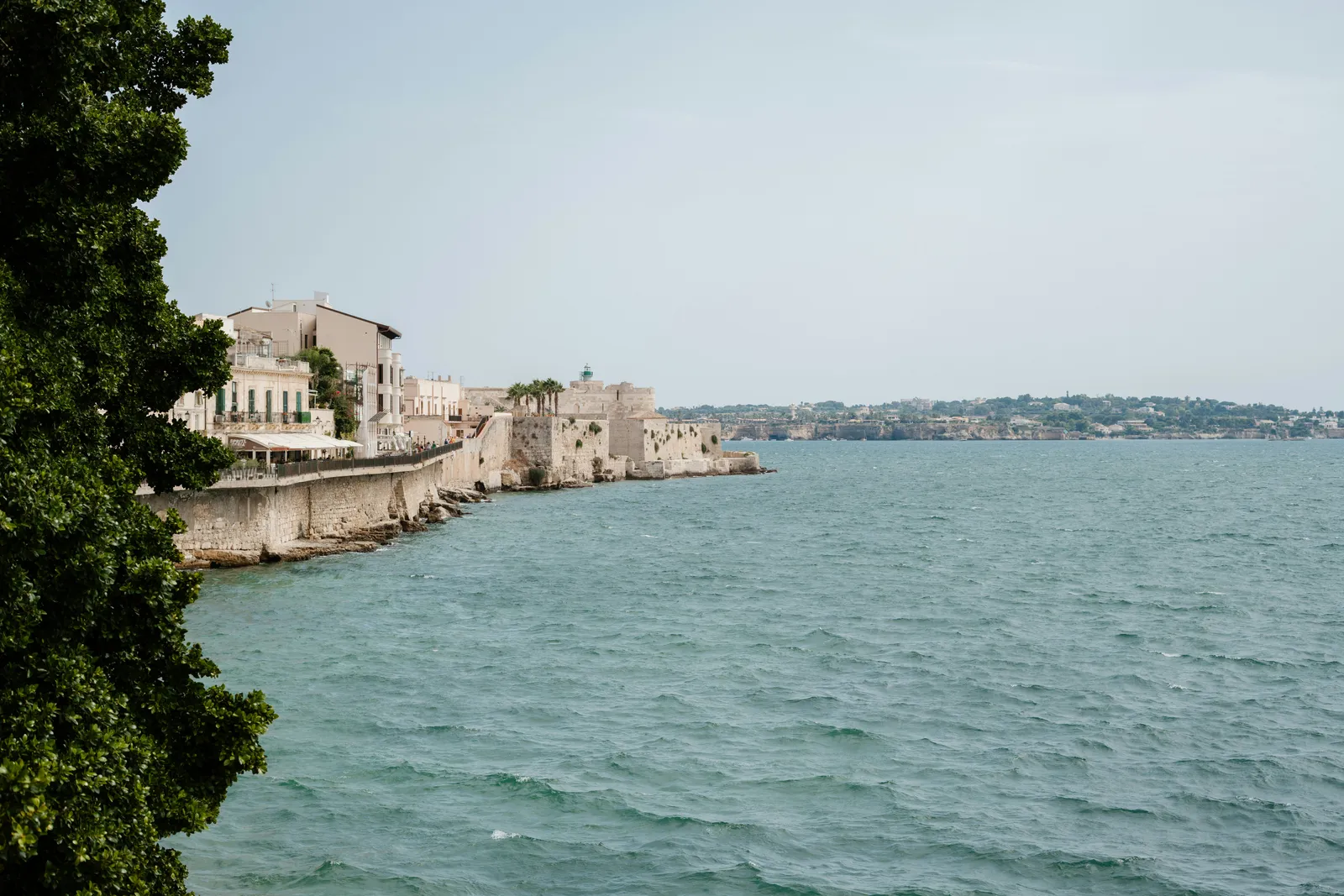
Photo: Dick Scholten, via Pexels
Tanzania · Zanzibar · Culture & history
Culture and history
Zanzibar has been ruled from Oman, administered from Britain, and married into Tanzania — and it keeps its own president, parliament and fierce sense of itself. The culture you meet is the deal it struck with all of it.
Layered, and knowing it
Zanzibari culture is the Swahili coast at its most confident: Bantu roots under a thousand years of Persian, Arab and Indian arrival, all of it knit into a Muslim, seafaring, mercantile civilisation with its own language. Swahili itself began here and along this coastline — a Bantu grammar carrying Arabic sails. The island reads, argues, trades and improvises in three directions at once, toward Africa, Arabia and the Indian Ocean.
The rhythm of the days is Islamic: five calls to prayer, Friday as the pivot of the week, Ramadan reshaping mealtimes for a month. Visitors are welcomed and the norms are simple — modest dress away from hotel pools, no public alcohol displays, discretion during Ramadan, greetings before business. The island's famous courtesy is real, and it is also a two-way contract.
The sultanate, the boom and the fall
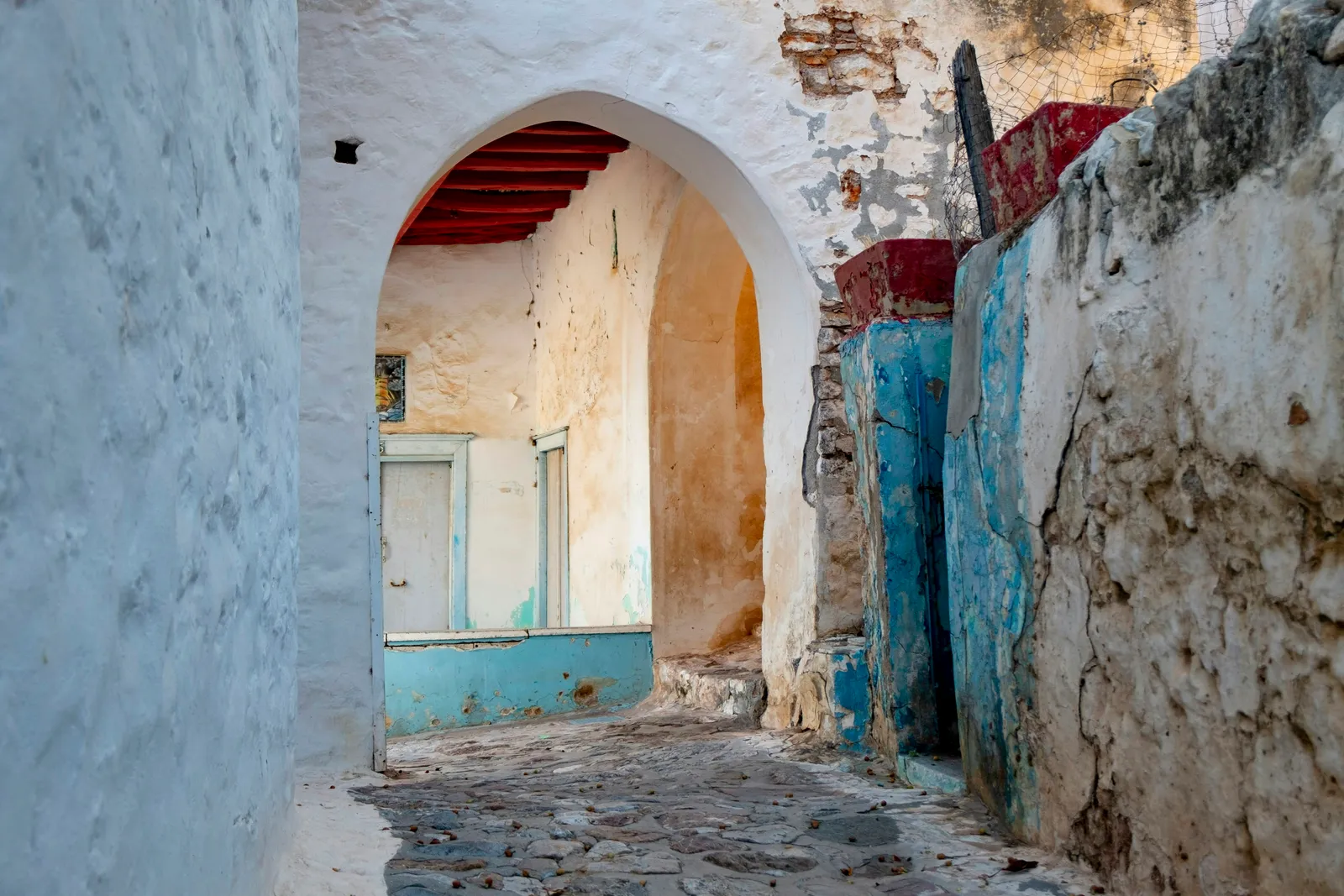
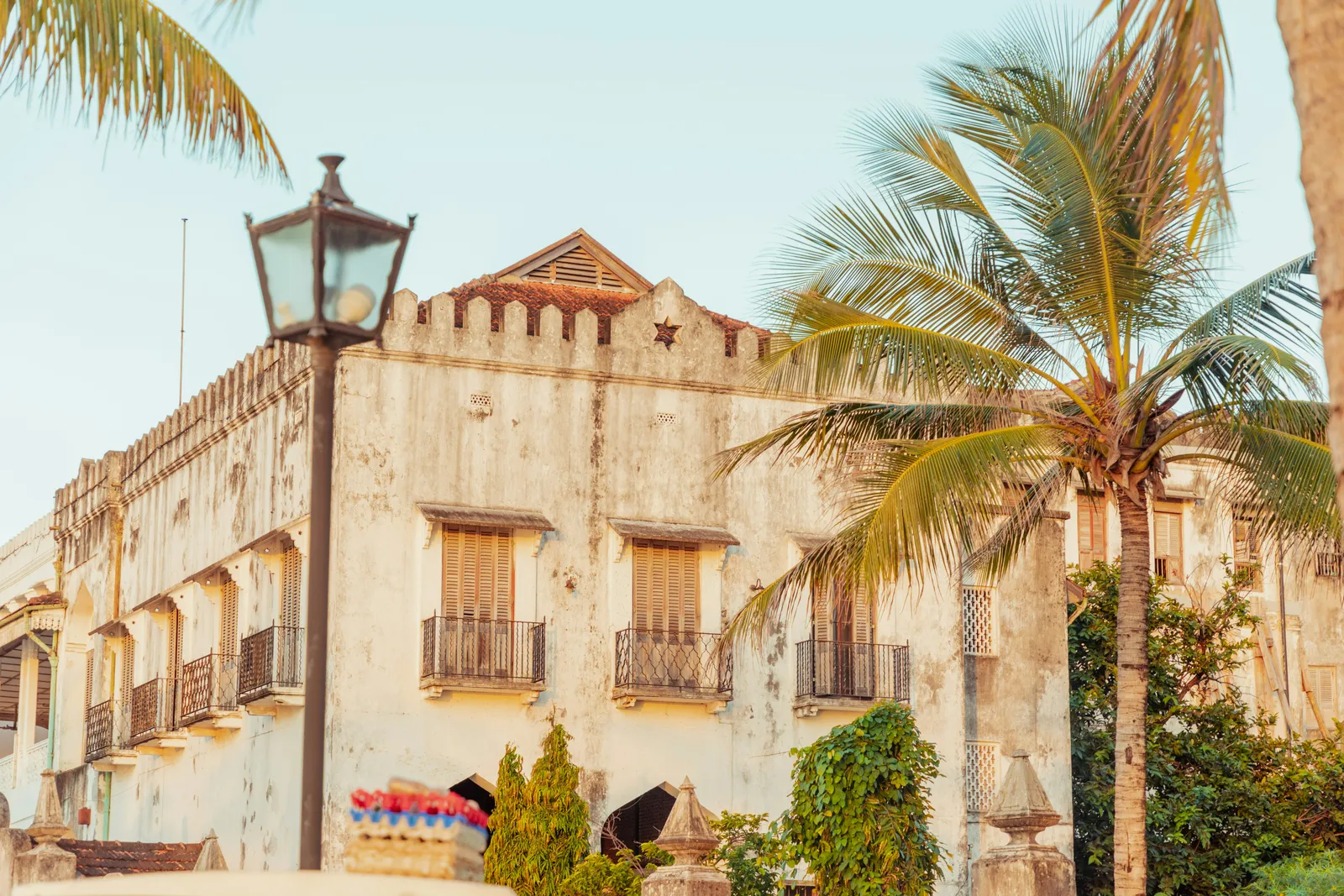
From 1840 the Busaidi sultans ruled from Zanzibar, having moved their capital from Muscat, and the island became the richest place on the East African coast — on cloves, on trade with the interior, and on slaves. It was a slave economy to the end of the era: the plantations were worked by enslaved people, and the market in Stone Town shipped thousands outward every year until abolition in 1873 under British pressure.
In 1890 Zanzibar became a British protectorate, running its own sultans under an consulate's eye until independence in December 1963. A month later the elected government was overthrown in the Zanzibar Revolution, and in April 1964 the island joined Tanganyika to form Tanzania. The joint state is real and so is the autonomy: Zanzibar keeps its own president and House of Representatives and runs its own affairs internally — an arrangement travellers notice in the small things, from entry formalities to football loyalties.
Music, festivals and the year
Taarab is the island's sound: a full orchestra of strings, drums and accordion behind sung poetry, played at weddings and festivals with roots in the sultan's court and lyrics that run from love to sharp political wit. Filmi influence and modern Zanzibar pop braid through it. If a hotel or cultural centre stages a taarab evening, take it — it is the most pleasurable history lesson on the island.
The calendar's great spectacle is Mwaka Kogwa, the Persian-derived new year celebrated each July at Makunduchi on the south-east coast, with ritual mock combat, songs and a feast that settles the village's grievances before the year turns. Eid celebrations bookend Ramadan and empty the towns into family visits. Time a trip around either and you meet the island at its most itself; ask your operator what the dates are for your travel window.
Daily life, and reading it honestly
Away from the seafronts, the island works: fishing crews mending nets, seaweed farmed along the east-coast shallows, dhows built the old way at Nungwi, spice farms run by families who have grown the same rows for generations. Zanzibar is poor in cash and rich in everything else, and the tourism economy that sustains many villages sits close to the surface — which is why the respectful-traveller rules here are not decoration. Greet in Swahili, pay the asking price for crafts without theatre, ask before portraits, and let guides from the island explain the island.
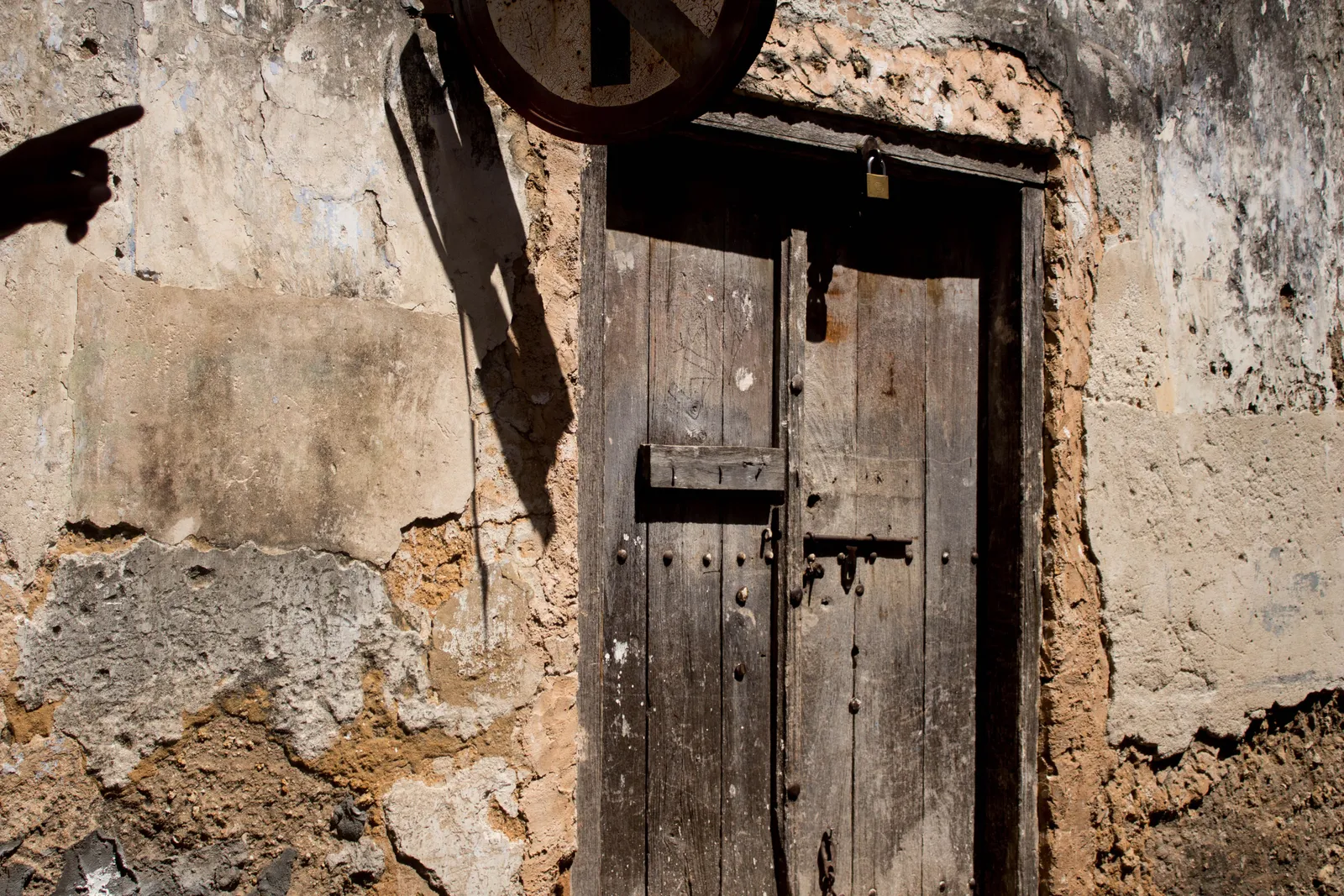
The city remembers its history in public: the slave memorial beside Christ Church, the collapsed grandeur of the House of Wonders, the sultans' palace turned museum. A visitor who gives Stone Town two days and one honest guide leaves understanding the Indian Ocean better; a visitor who treats the island as a beach with weather misses the entire point.
Keep reading