← Zanzibar ← The Tanzania guide
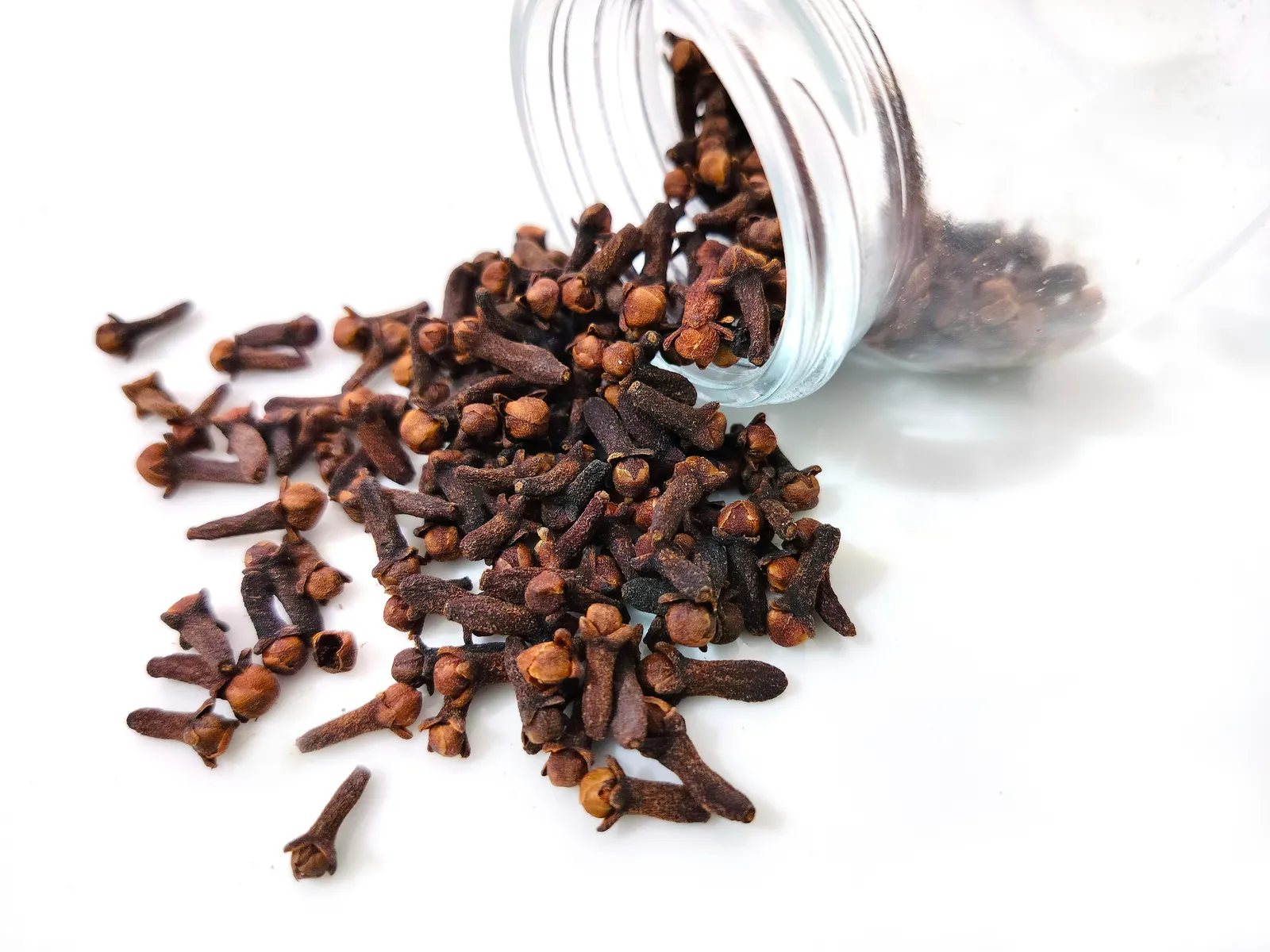
Photo: Jaspreet Kalsi, via Unsplash
Tanzania · Zanzibar · Spices & food
Spice farms and food
Cloves made Zanzibar rich, and every plate on the island still carries the proof. Between the plantations outside Stone Town and the night market on the seafront, the island eats its own history daily.
Why they call it the Spice Island
Cloves arrived with Omani rule in the early nineteenth century and remade the island within a generation. Plantations spread across Unguja and Pemba, worked by enslaved labour, and by the mid-1800s Zanzibar supplied most of the world's cloves. The wealth built the palaces on the Stone Town seafront — and the trade that built it was the same trade that filled the slave market. The island's beauty and its history are one story; the plantations are where you can taste it.
Spice-farm visits run on working plantations outside Stone Town, in country around villages such as Kizimbani. A guided walk takes a couple of hours: bark, buds, roots and pods identified by smell before sight, ending with fruit tastings and the famously hands-on spice-head-wrap demonstration. Commonly said, and cheerfully true. Your operator folds the visit into a Stone Town day; go in the morning before the heat peaks.
The rack, ten deep
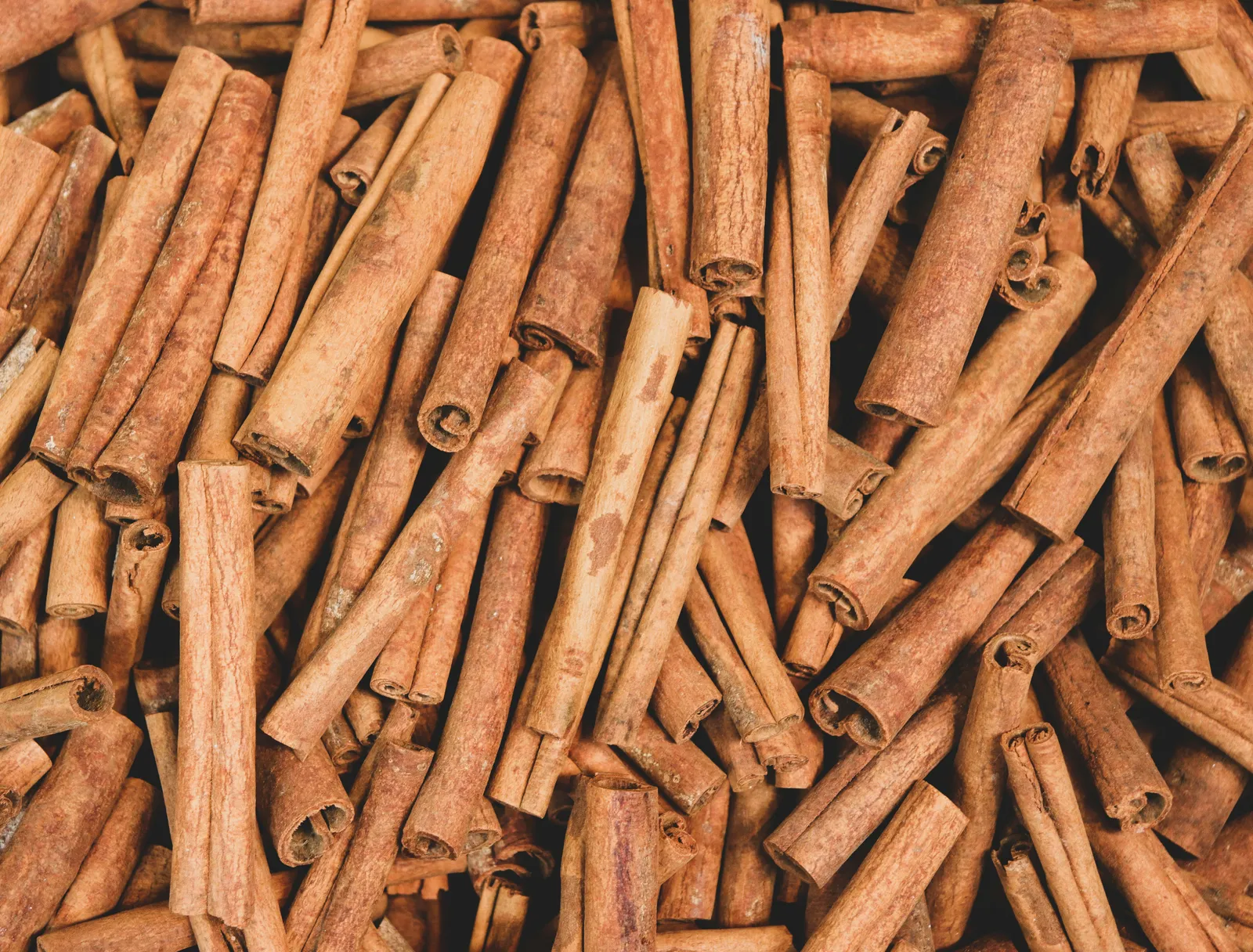
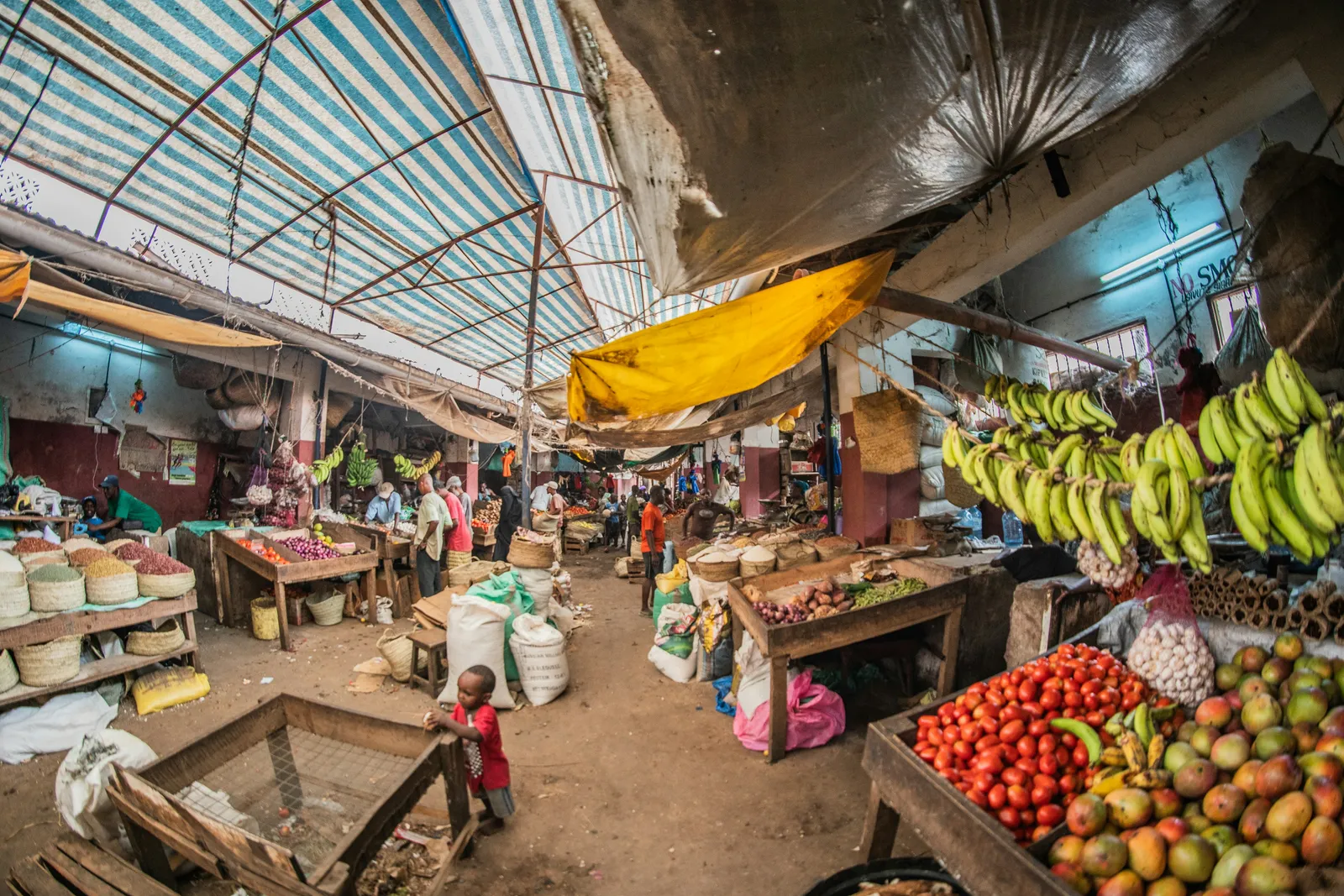
Ten plants explain most of the island's trade and most of its cooking. On the farm walk you will meet them in the ground; in Darajani market you will meet them in pyramids.
- Cloves (mkarafuu) — the king: dried flower buds that funded the sultanate.
- Cinnamon (mdalasini) — quilled inner bark, sold in curls.
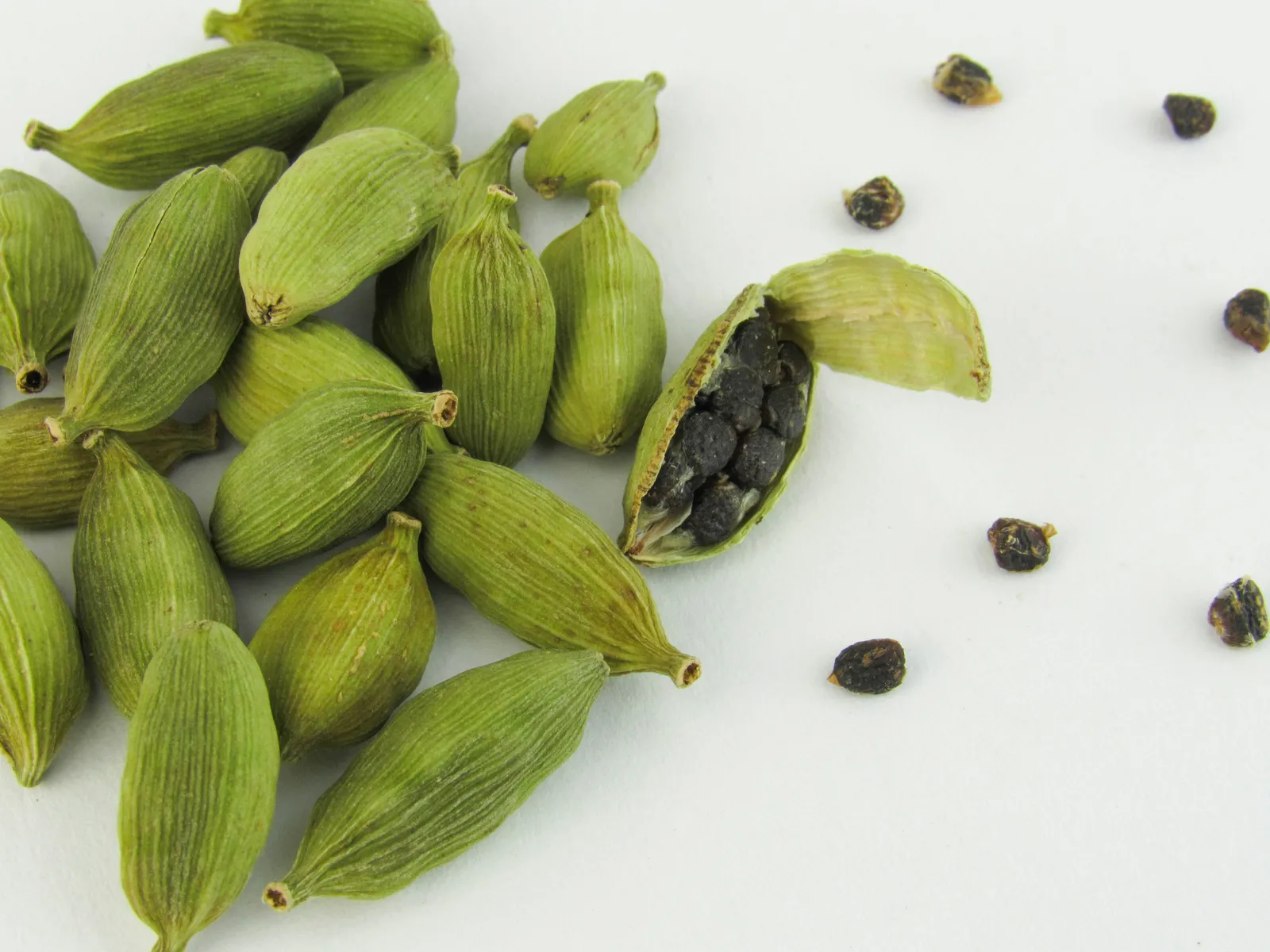
- Cardamom (iliki) — green pods with a cooling, eucalyptus edge.
- Nutmeg and mace (kungumanga) — one seed, two spices.
- Vanilla — the cured pod of a climbing orchid.
- Black pepper (pilipili nyinyo) — the original black gold of the monsoon trade.
- Ginger (tangawizi) — a rhizome so central the Swahili word for it names the plant.
- Turmeric (manjano) — the yellow heart of Zanzibari cooking.
- Lemongrass (mchaichai) — citrus-scented blades for tea.
- Chili (pilipili) — from mild frying peppers to ferocious little reds.
The food, and where it comes from
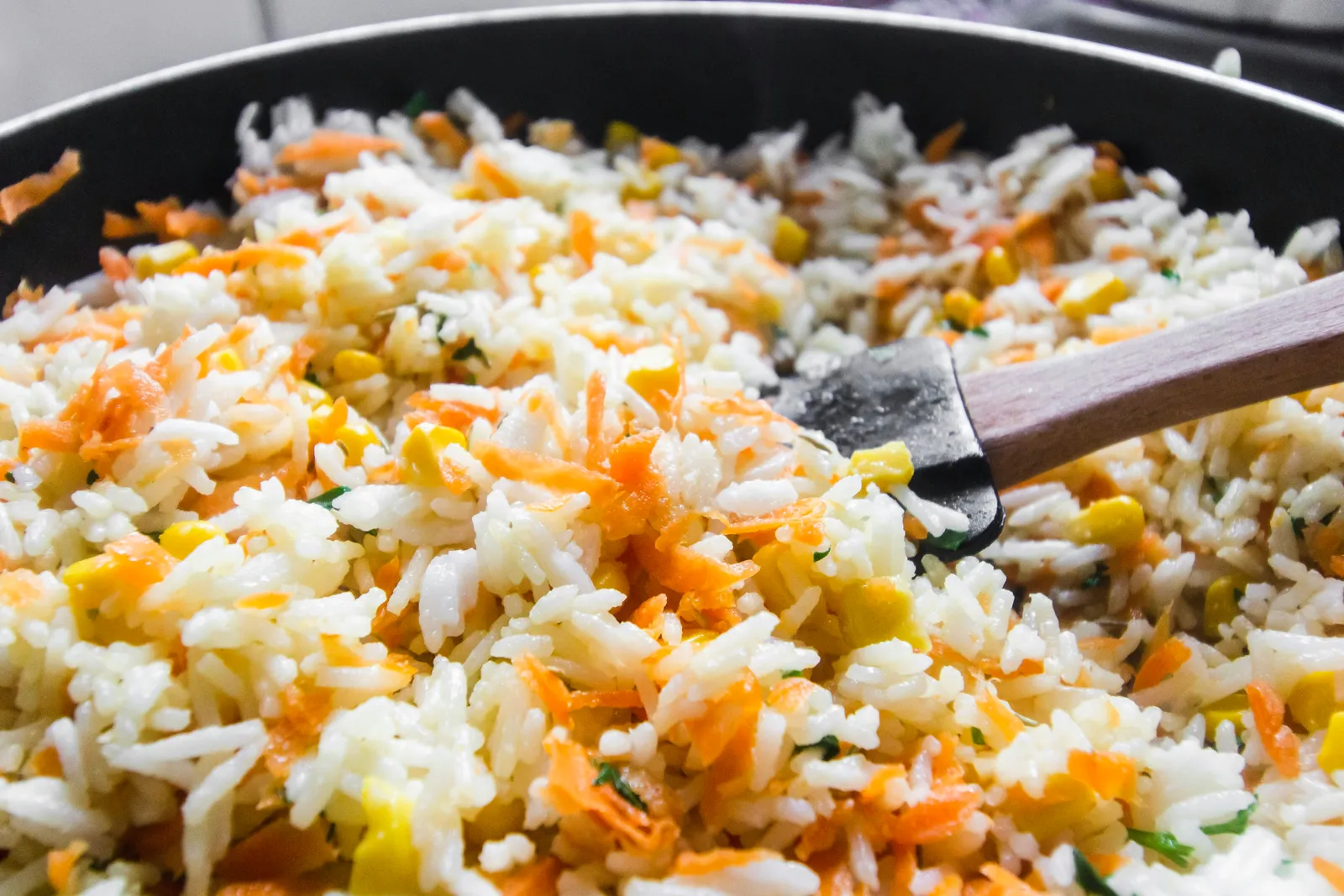
Zanzibari cooking is Swahili cooking at full strength: African staples under Indian and Arab seasoning, built on coconut, rice and that spice rack. Pilau — spiced one-pot rice browned with onions — and biryani carry the Indian Ocean in them; mishkaki are charcoal-grilled skewers; octopus curry and grilled fish come straight off the boats. Urojo, the tangy yellow soup ladled over crisps, bhajia and chutneys, is the island's street-food signature — commonly said to be the best hangover cure in East Africa, and impossible to confirm scientifically.
Zanzibar pizza, despite the name, has no Italian relative: paper-thin dough folded around minced meat, chicken or banana and chocolate, then fried on a griddle at speed. It belongs to Forodhani Gardens after dark, when the seafront lawns of Stone Town turn into the island's best food market — sugarcane juice, grilled skewers, and a queue that is itself the entertainment.
Eating well on a package trip
Package stays concentrate meals at the lodge, and Zanzibar's better lodges cook the island properly — ask for Zanzibari nights over the international buffet, which every good kitchen here can do. The nights you eat out, Stone Town covers the range from rooftop restaurants to Forodhani's grills; your hotel or operator books ahead in high season, when the best tables fill.
Market visits slot into any morning: Darajani for the spice pyramids and the fish hall, the fruit stalls for whatever the season is carrying. Buy whole spices by weight to take home — they travel better than any souvenir, and the cardamom will actually taste like cardamom.
Keep reading